


The current Bitcoin decline is raising alarm bells as it could have far-reaching effects on the global economy. With major selloffs and warnings from experts, understanding these dynamics is crucial for investors and common people alike during this uncertain financial period.
Economic Impact of Bitcoin’s Selloff
Bitcoin’s decline significantly affects global markets. As investors lose confidence in this leading cryptocurrency, financial contagion may ensue, impacting traditional investments like stocks and commodities. A notable example was in 2026, when Bitcoin plummeted nearly 14%, aligning with corrections in the price of gold and silver, thus indicating a broader market sentiment shift. This bear market can lead to a panic wave that worsens overall economic conditions.
In historical parallels, similar selloffs have triggered financial downturns. The initial phases of the 2008 financial crisis demonstrated how collapsing asset values can lead to widespread investor panic, eventually resulting in a global recession. As the current market unfolds, many experts warn that Bitcoin’s decline could contribute to such financial tremors, especially as investors cling to their remaining assets amidst uncertainties. The influence of cryptocurrency on investor sentiment cannot be overstated.
Current State of Bitcoin and Its Downward Trend
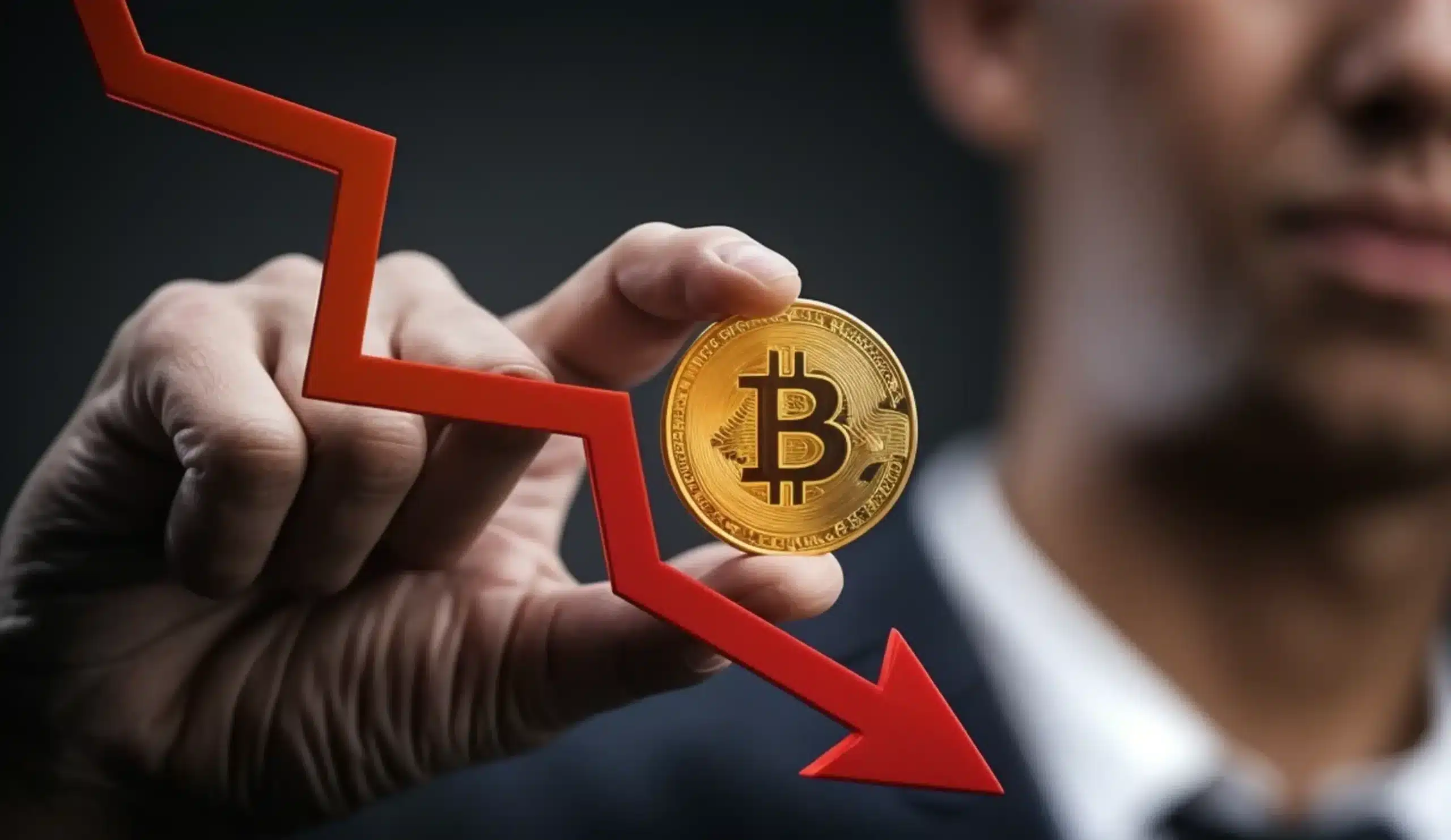
The state of Bitcoin in 2026 has become a focal point of concern. The cryptocurrency has seen a significant drop in value since its peak of over $120,000 in October 2025, with current values showing nearly a 40% depreciation. This massive selloff is eye-catching for both seasoned and novice investors, drawing comparisons to prior market corrections (as noted).
In addition to this decline, there is a notable correlation between Bitcoin and traditional assets like equity markets. When Bitcoin experiences turmoil, it often signals broader economic vulnerabilities, indicating that many investors are likely to reassess their portfolios, shifting from higher-risk assets to more stable, traditional investments.
Experts Highlighting Potential Death Spiral
Michael Burry, the famed investor known for predicting the 2008 subprime mortgage crisis, has explicitly warned about the serious repercussions of the ongoing Bitcoin decline. He uses the term “death spiral” to describe a scenario where continuous selling leads to an unsustainable drop in investor confidence and value. If this trend continues, it may trigger broader market instability (according to recent reports).
The implications of a death spiral extend beyond just Bitcoin. Historically, actions of panic selling in one asset class can incite similar behavior in others, creating a domino effect on global markets.
Investors Facing Heavy Losses and Fears
The psychological impact of Bitcoin’s selloff on investors cannot be understated. Many investors are grappling with the fear of losing their investments. Short-term strategies may lead to rash decisions, while longer-term strategies often require patience and resilience.
Case studies reveal a mix of responses from investors suffering losses. Some may panic and sell at a loss, while others hold on, betting on a market recovery. The decision-making process can be greatly affected by market conditions as well as individual risk tolerance.

Broader Implications for the Global Economy
Bitcoin’s decline could have ripple effects on fiat currencies and existing financial systems. A fall in its value risks shaking stability in the broader economic framework. Central banks may find themselves pressured to react to this disruption, adapting monetary policies amid increasing systemic risks. As these fluctuations play out, global economies can experience varying levels of impact, with potential implications for employment, consumer spending, and investment.
Patterns from previous downturns indicate that rapid depreciation in widely accepted currencies can incite fears about the strength of economic foundations. Such ripple effects create a complex web of interdependencies across global markets.
Taking Action Amidst Bitcoin’s Decline
Investors facing the uncertainty of Bitcoin’s decline should consider practical steps to mitigate losses. Essential strategies include diversification across various asset classes to buffer against shocks and protect investments.
Tools and resources for informed decision-making, such as financial advisors or investment platforms, become all the more crucial during these tumultuous periods. Staying informed helps investors navigate the volatile landscape more effectively.
The Role of Policy Makers in Mitigating Economic Risks
In response to Bitcoin’s decline, policymakers play a vital role in stabilizing markets. Regulatory frameworks may need to evolve to address the risks that cryptocurrencies pose to financial systems. Transparent communication from financial authorities is crucial in enhancing market confidence and reducing panic among investors. Discussions surrounding potential policy changes could influence the long-term viability of both Bitcoin and broader economic stability.
As Bitcoin continues its downward trajectory, it is critical to remain vigilant and proactive. Understanding the dynamics of cryptocurrency’s influence on the global economy can aid both individual and institutional investors alike in navigating these unsettled waters.