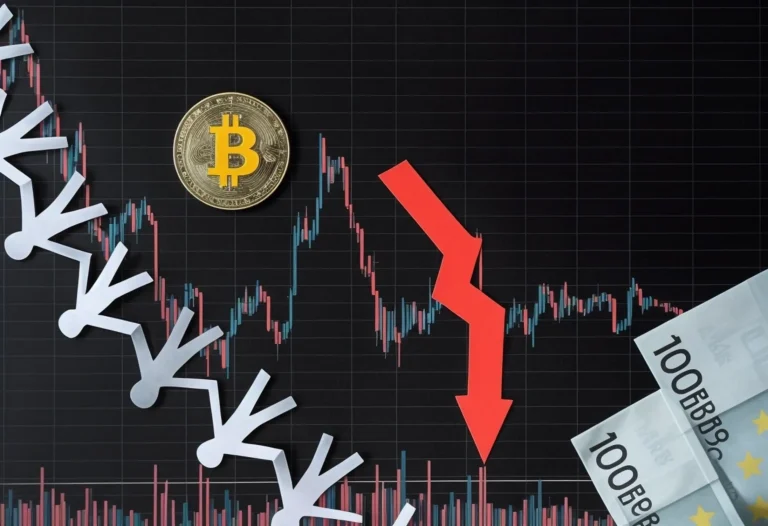



As Bitcoin’s price analysis reveals a significant decline, investors are reassessing their strategies in an uncertain market. Understanding the economic factors and shifting investor sentiment is crucial to navigating these turbulent times.
Reasons Behind Bitcoin’s Value Decline
Bitcoin’s dramatic fall from grace, dropping 11% to $67,000, has left many investors perplexed. The factors contributing to this decline are multifaceted. First, the overall sentiments surrounding the cryptocurrency market have been deeply influenced by regulatory changes and macroeconomic trends. According to global news reports, these changes have resulted in increased market volatility. Furthermore, Bitcoin’s drop cannot be viewed in isolation; rather, it reflects broader crypto market trends that indicate a general loss of confidence among investors.
Economic factors are also crucial in understanding the decline in Bitcoin’s value. The effects of inflation, interest rate hikes, and geopolitical tensions create an atmosphere of uncertainty, impacting investor behavior. As a result, more investors are favoring safety over speculation in the current climate. For many, this mirrors past downturns in the crypto market, where external economic pressures triggered similar dips in value.
Current Bitcoin Price Analysis
Currently, Bitcoin is experiencing heightened fluctuations. As of now, its price has not only fallen to $67,000 but has also shown signs of further weakness, having lost 46% since its peak of $126,210.50 a little over a year ago. This significant decline can be juxtaposed against historical price movements of Bitcoin, where—during previous downturns—investors often panicked, leading to even greater sell-offs. This cycle of fear and reaction reminds us of earlier declines, creating a feedback loop that makes recovery even more challenging.
For traders, these movements have significant implications. Short-term traders are likely adjusting their strategies to capitalize on the rapid price shifts, while long-term investors may face uncertainty about their positions. This volatility presents an opportunity and challenge, compelling all players in the market to remain alert and adaptive.
Investor Sentiment Shifts in the Crypto Market
Investor sentiment in the crypto market has shifted dramatically in response to the recent dips in Bitcoin’s value. Initially dominated by optimism and the belief that Bitcoin was a hedge against inflation, the current atmosphere is now rife with fear and skepticism. As institutional investors reassess their positions, retail investors are feeling the emotional toll of the market’s tumultuous shifts.
Notable figures within this space have expressed their views on the changing tides. One investor recently remarked, “In times like these, it’s easy to lose faith in the crypto vision we once held.” This sentiment reflects a broader concern, where trust in Bitcoin’s long-term value proposition is being tested.
Effects on Cryptocurrency-Related Companies
The decline in Bitcoin’s price is also having repercussions on cryptocurrency-associated companies, such as Coinbase and Robinhood. These companies often rely heavily on trading volume from cryptocurrencies. As Bitcoin struggles, revenues for these platforms are likely to decrease, impacting their operational capabilities. Reports indicate that significant correlations exist between Bitcoin’s price and the stock performance of related companies, suggesting that the entire crypto-business ecosystem is intricately linked to Bitcoin’s fluctuations (Financial Times).
The implications of Bitcoin’s drop extend beyond immediate financial metrics; they may affect hiring, innovation, and overall market dynamics for these companies. Understanding this correlation between Bitcoin’s value and the performance of cryptocurrency businesses is essential for investors and stakeholders alike.

Navigating Economic Factors Affecting Bitcoin
To effectively navigate the current landscape, investors must remain keenly aware of the economic factors that influence the crypto market. Key indicators such as inflation rates, interest rates, and global economic stability should be considered. Just as with traditional investments, the crypto market reacts to these economic shifts, making it vital for investors to stay informed on these developments.
Adapting to economic changes requires strategic foresight. Investors should develop flexible strategies that allow them to pivot as situations evolve. For example, diversifying portfolios or adopting a more conservative approach can provide a buffer against volatility.
Practical Steps for Investors in a Declining Market
In times of significant price drops, it is critical for investors to implement effective risk management strategies. Here are some practical steps to consider:
– Diversify Your Portfolio: Incorporate a mix of assets to mitigate risks.
– Stay Informed: Use resources like industry news and analysis to keep abreast of market trends.
– Cultivate a Long-Term Perspective: Focus on value rather than short-term fluctuations.
Volatility is a natural part of the crypto landscape. By preparing and strategizing, investors can navigate these turbulent times more effectively. With Bitcoin’s recent performance shaking confidence, now more than ever, it’s essential to maintain a level head and prudent approach.